Sep 23, 2026Material Guides
Plastic Resin COA Checklist: Verify an Imported Batch
Imported resin COA checklist: check lot traceability, test methods, specs and retained samples before you release a batch.

Plastic Resin COA Checklist: Verify an Imported Batch
Before PET, PC, POM, EVA, PMMA or ABS enters production, the certificate of analysis should help your team confirm what arrived, which lot it belongs to and whether the results are comparable with your approved specification. A COA alone does not guarantee process performance, but a missing or mismatched COA removes the evidence needed to release a batch confidently.
This checklist helps procurement, quality and receiving teams set a practical incoming-control routine for imported virgin resin.
What a COA Must Prove—and What It Cannot
A COA should identify the material and report lot-specific test results. It is different from a technical data sheet: a TDS describes a typical grade, while a COA records the supplied lot. Neither document replaces a production trial when a new grade, supplier or process condition is involved.
Seven Fields to Check Before Releasing an Imported Batch
- Supplier, manufacturer, grade and material description.
- Purchase-order, shipment and packaging details.
- Lot number on the COA, bags or containers, and receiving records.
- Test results against your approved limits—not only a PASS statement.
- Test methods and conditions for each reported value.
- COA issue date, responsible quality function and document completeness.
- Required compliance documents for the intended application.
If a shipment contains multiple lots, each lot needs a clear document trail. Do not assume one COA represents every bag, container or delivery line.
COA vs TDS: Why You Need Both
Use the TDS to understand grade-level typical properties and use the COA to verify the lot received. Keep both alongside the supplier quotation, purchase order, packing list and retained sample record. This makes it easier to investigate a process or customer issue later.
Test Methods: Making the Supplier's Numbers Comparable to Yours
A number is only comparable when the test method and condition match. ISO 1133 may be used for melt flow and ISO 1183 for density; ISO 527 and ISO 179 or ISO 180 may be relevant for tensile and impact properties. Confirm the method, condition, specimen preparation and accepted range for your product before making a release decision.
Lot Traceability and Retained Samples Across a Multi-Batch Shipment
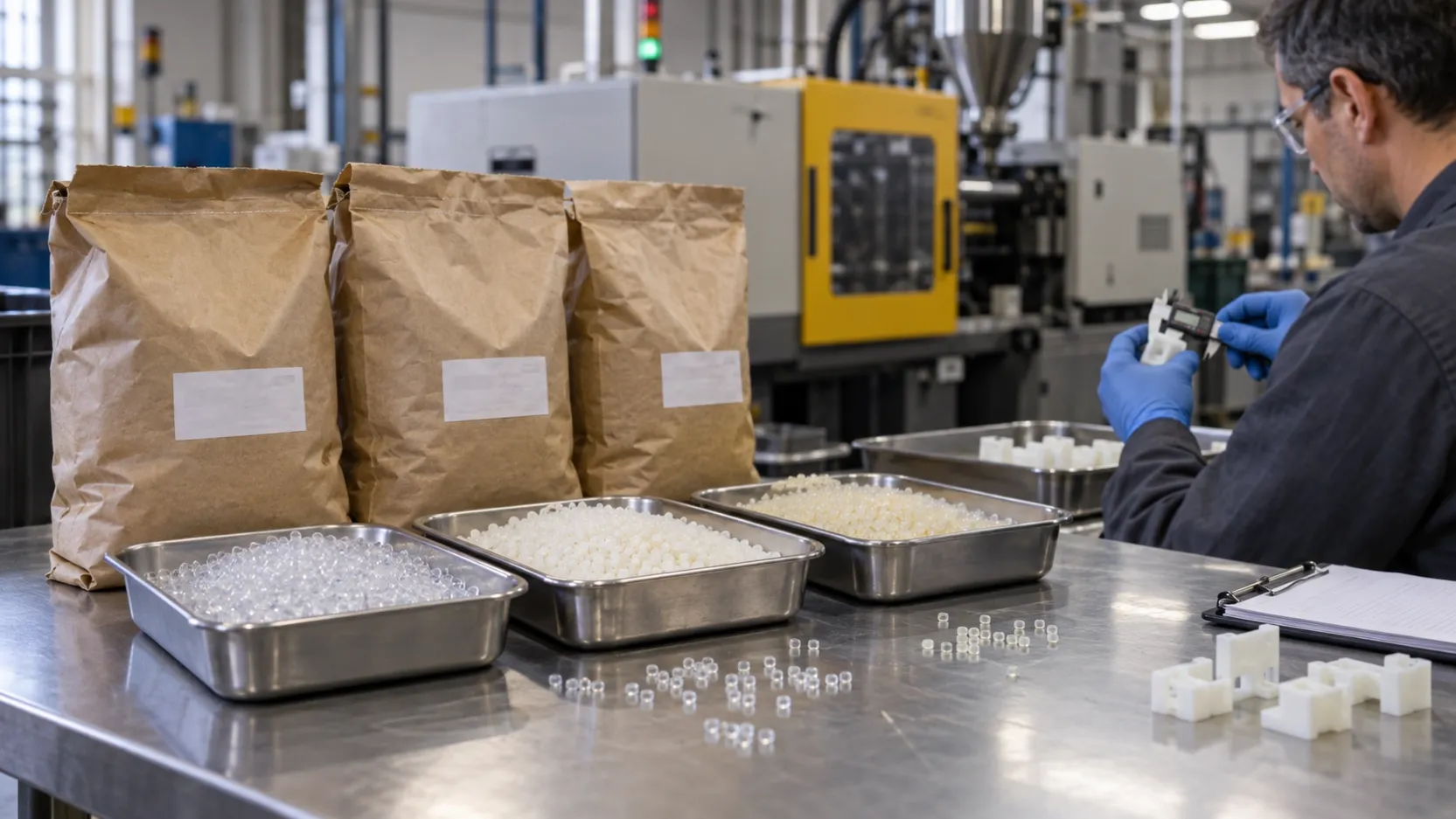
Record the receiving date, lot number, bag or container references, storage location and a retained-sample reference. Link that record to incoming inspection and production use. This creates a usable trail if material is later questioned.
If a Batch Fails: Hold, Retest or Reject?
Place a discrepant lot on hold while quality and procurement review the evidence. First check identity, document completeness, test method and sampling before deciding whether a retest is justified. Release only against your documented disposition process; do not treat a supplier statement as a replacement for agreed acceptance limits.
Request the Right Documents Before a Quote
For an actionable resin proposal, specify the product grade or application, processing route, target property ranges, required test methods, destination, packaging, volume and compliance documents. For food-contact, electrical or regulated end uses, confirm the applicable documentation separately—for example RoHS, REACH SVHC, a relevant UL file, or food-contact requirements.
A clear COA routine protects more than material quality: it reduces avoidable production holds, gives the team a common release decision and makes supplier discussions more precise.