Oct 9, 2026Material Guides
Virgin vs Recycled Plastic Resin: 8 Questions Buyers Should Ask Before Switching
Compare virgin and recycled plastic resin before switching suppliers. Review traceability, property consistency, appearance, documentation and production-trial requirements.
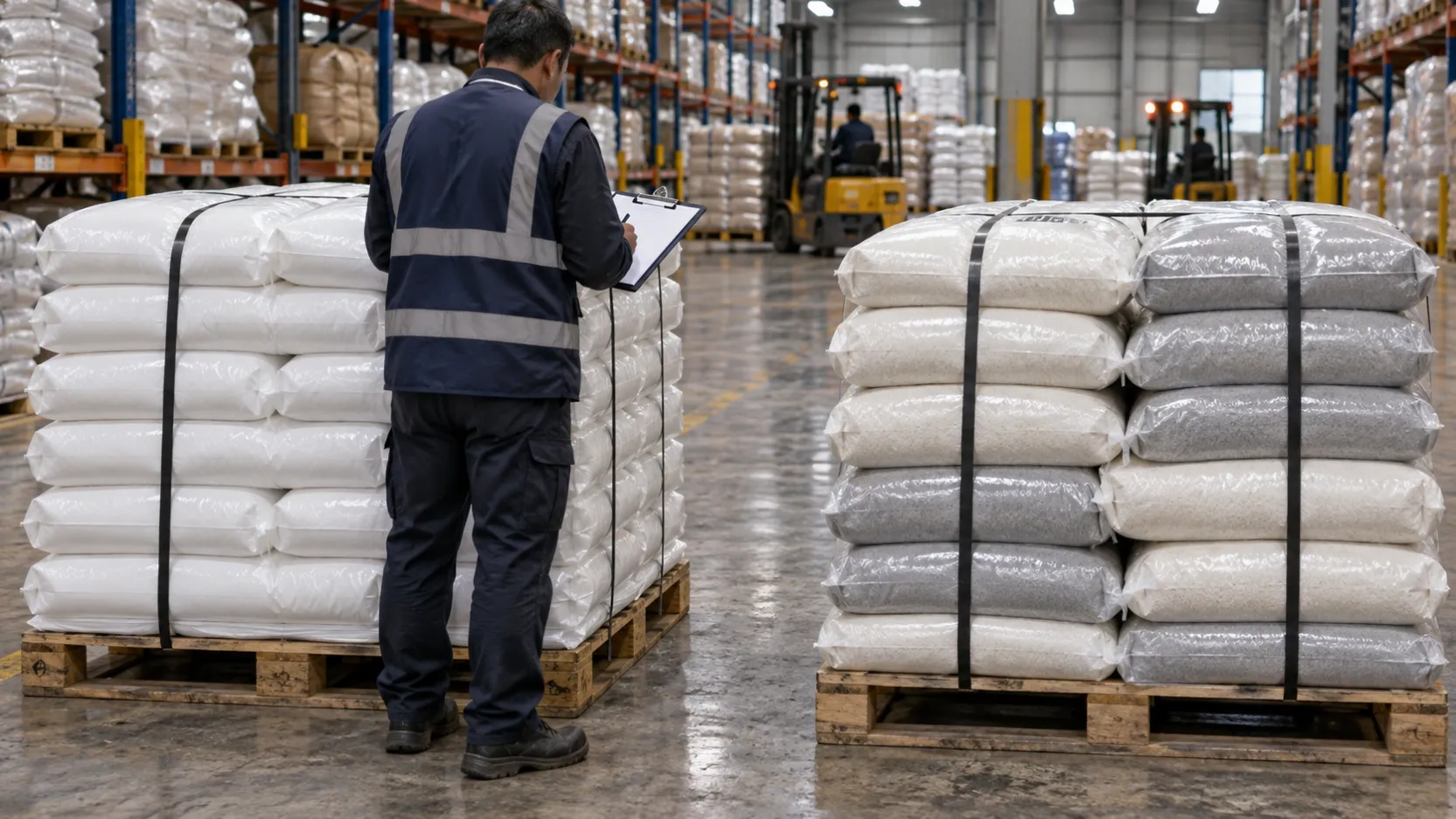
A lower resin quotation can be attractive, especially for high-volume molded or extruded products. But choosing between virgin and recycled plastic resin should not begin and end with the price difference.
The right material depends on the finished product, required appearance, process tolerance, documentation needs and acceptable performance variation.
This guide gives procurement teams a practical checklist before they switch a resin source or introduce recycled content.
Virgin Resin and Recycled Resin Serve Different Sourcing Goals
Virgin resin is typically considered when buyers need a defined material grade, consistent documentation and a predictable starting point for process validation.
Recycled resin can be evaluated when a project has an approved recycled-content target and the material’s property range, traceability and finished-product performance have been validated.
Neither choice is automatically correct for every application.
1. What Is the Source of the Recycled Material?
Ask whether the material is described as post-industrial recycled content, post-consumer recycled content or another feedstock category.
The source affects expected consistency, colour variation, contamination risk and available documentation.
2. Is the Grade Identified Clearly?
Avoid vague descriptions such as “recycled ABS” or “recycled PP” without a full grade reference.
Request:
- Material family and exact grade
- Target property range
- Colour and appearance specification
- Batch or lot identification
- Current COA
- SDS or other available safety documentation
3. What Is the Allowed Property Range?
A single typical value is not enough. Ask for the accepted range for properties relevant to your application, such as:
- Melt flow
- Density
- Impact performance
- Tensile properties
- Moisture content
- Colour variation
- Ash or contamination indicators where applicable
4. Is Appearance Critical?
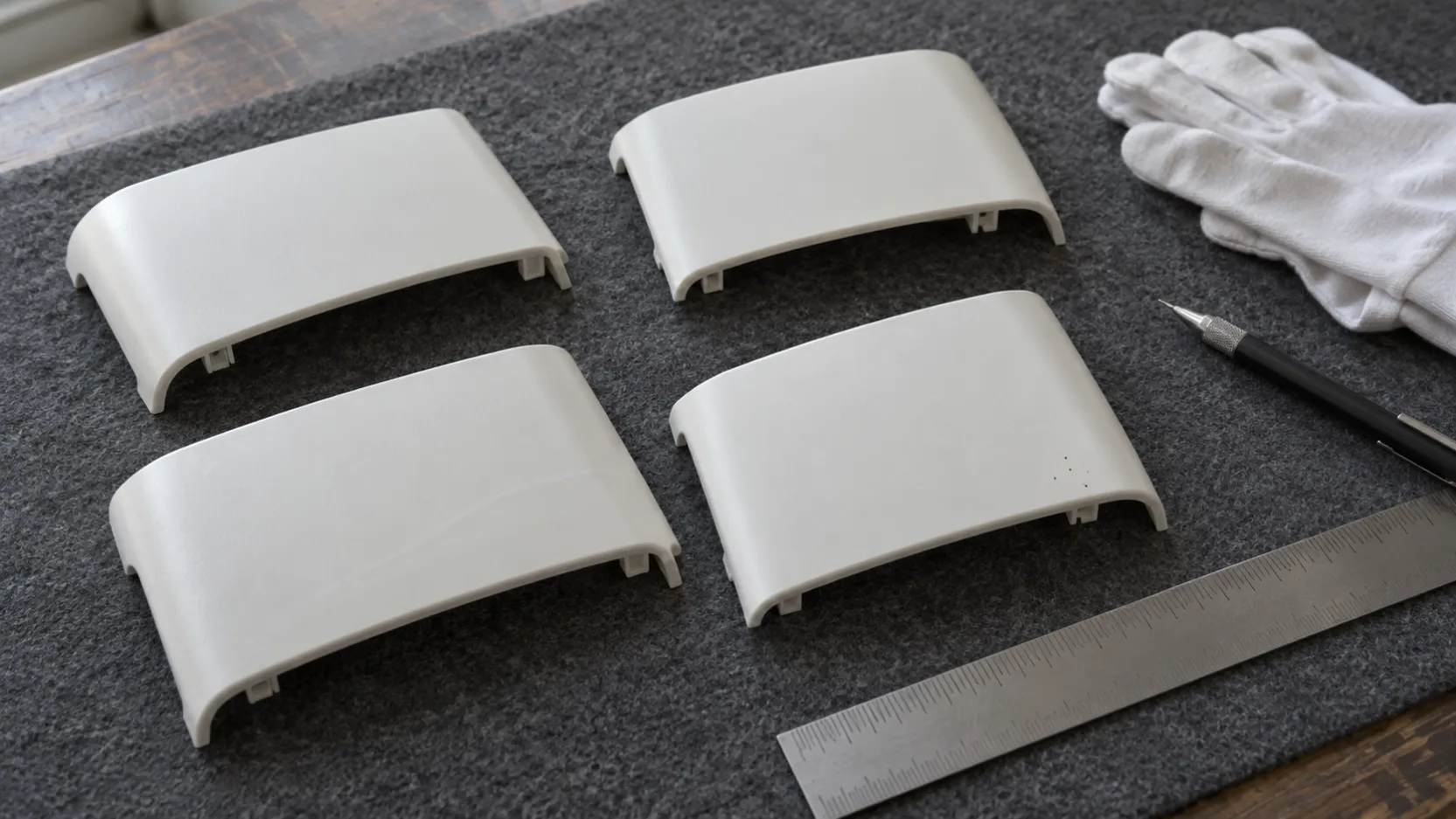
For visible parts, colour, gloss, black specks, odour and surface quality may be more important than the quoted resin cost.
Define the acceptance standard before ordering and run a sample on the actual production line.
5. Can the Material Handle the Existing Process?
Do not assume a recycled grade will behave like the existing virgin grade.
Review:
- Drying requirement
- Mold filling or extrusion stability
- Regrind policy
- Processing-temperature window
- Tooling sensitivity
- Finished-part appearance
- Reject rate during trial
6. What Documentation Does the End Market Require?
Some projects may need specific declarations, traceability or regulatory documentation. The required documents depend on the grade, formulation, destination market and finished-product application.
Do not make food-contact, medical, automotive, flame-retardancy or other compliance assumptions based solely on the words “virgin” or “recycled.”
7. How Will Batch Consistency Be Controlled?
Ask the supplier how batches are identified, sampled and documented. Define which values must be checked before each shipment.
For repeat orders, retain a reference sample from approved production to speed up future comparisons.
8. Has a Real Production Trial Been Completed?
A laboratory report cannot replace a trial on your own equipment.
Validate the material under real conditions, including machine settings, part geometry, colour system, regrind ratio and end-use requirement.
Final Takeaway
The right question is not “virgin or recycled?” It is “which documented grade can meet this product’s actual requirements with acceptable process stability?”
Use current documents, clear acceptance criteria and a controlled production trial before changing material.
Request a Resin Sourcing Review
Lema Plastic can help buyers review grade options, available documentation, packaging requirements and trial-sample needs before a production switch. Send your material family, finished product, current specification, destination market and expected volume for a practical recommendation.